
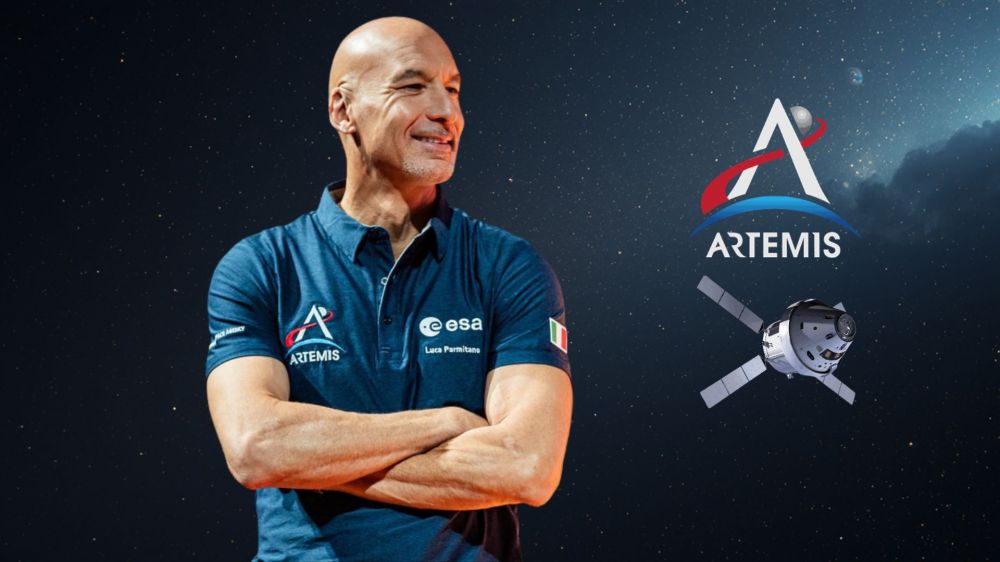
Naming Luca Parmitano as pilot of Artemis III is a brilliant, historic decision that makes all of Europe stand a little taller. This choice recognizes not only his exceptional skill and experience but also the vital role Europe plays in humanity’s return to the Moon.
For decades, ESA has contributed its best technology, science, and talent to deep‑space exploration, and having one of our own at the controls of this landmark mission sends a clear message: Europe is not just a partner — we are an essential part of this new era.
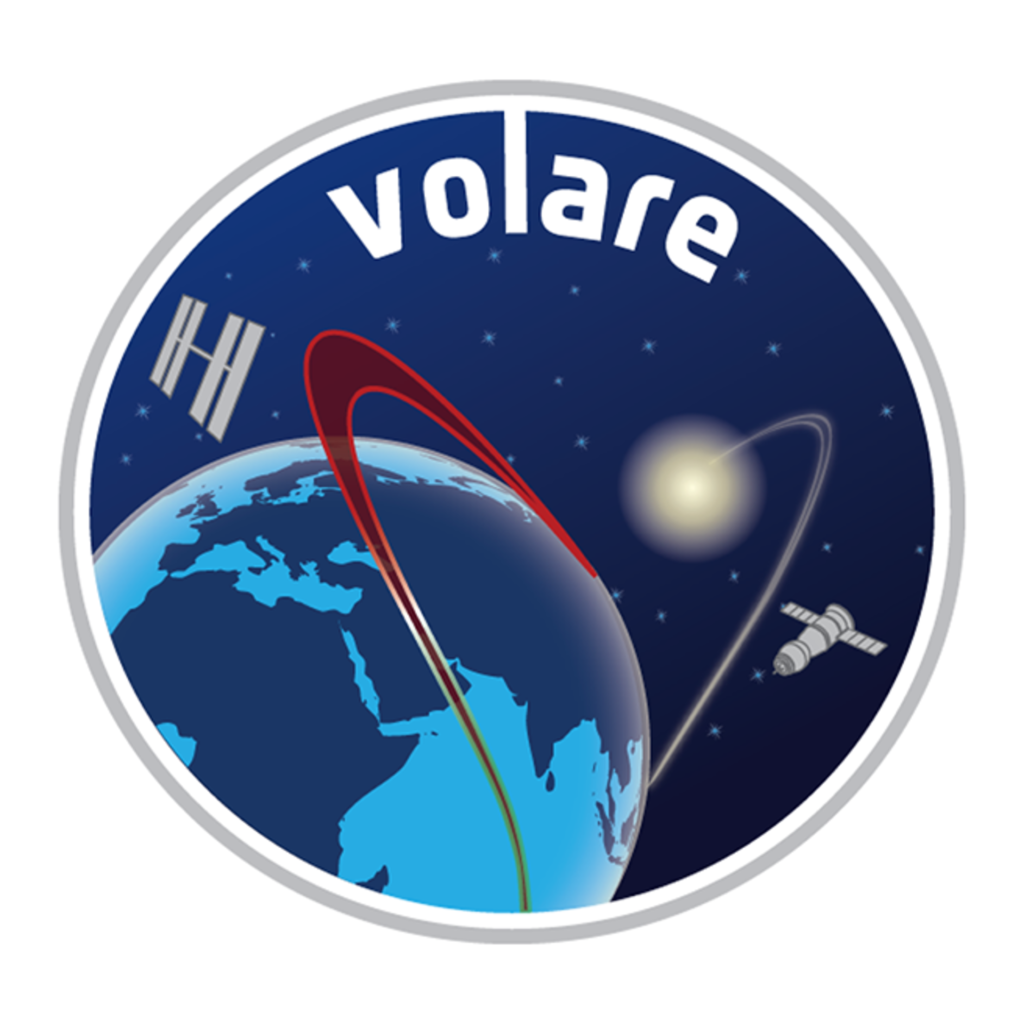
Looking back, it feels like destiny. His first mission, Volare (“To Fly”), launched in May 2013 and carried him to the International Space Station (ISS) for nearly six months. We remember watching him with pride: conducting complex experiments, mastering spacewalks, and sharing his passion for exploration with millions back on Earth. That mission showed the world what Luca is made of — calm under pressure, precise, and endlessly curious. Even the challenges he faced, including his famous 2013 spacewalk cut short by a water leak, revealed his incredible composure and ability to react when every second counts.
But to fly is only half the story as an astronaut’s journey also needs its melody—and that is where Cantare (“To Sing”) finds its place in Luca’s legacy. During his second long-duration mission, Beyond, he became the first person to ever perform a live DJ set from orbit. Floating parallel to the floor inside the European Columbus laboratory, he beamed electronic music down to thousands of festival-goers on Earth. It was a moment of pure connection, proving that space exploration isn’t just about hard data and sterile metal.
Now, that cosmic rhythm is shifting into a new key: Lunare. As the newly appointed pilot for the historic Artemis III mission, Luca will be stepping into an elite crew of four to push the frontiers of modern spaceflight. This flight will test the critical docking systems, heavy-lift rocket coordination, and lunar landers that will ultimately deliver the next footprints to the surface of the Moon.
It’s thrilling to see that years later, Volare’s spirit lives on in Artemis III — from flying in low orbit to navigating the vast distance between Earth and the Moon. Luca is the perfect bridge between Europe’s past achievements and our future among the stars. This choice feels right, it feels European, and it feels like the start of something unforgettable.
As part of the Artemis III mission, Luca—alongside Commander Randy Bresnik and Mission Specialists Frank Rubio and Andre Douglas—will lead a critical high-stakes test of humanity’s next-generation deep space infrastructure. The SLS (Space Launch System) rocket will launch the Orion spacecraft and its crew from NASA’s Kennedy Space Center in Florida to low Earth orbit (LEO). After Orion systems checkouts, the spacecraft will, for the first time, demonstrate rendezvous and docking capabilities with test versions from one, or both, American commercial human landing systems in development by Blue Origin and SpaceX.

Leave a Reply